Frame upstream, downstream and inspection interfaces before a configuration is treated as complete.
Map the product and pack states
Describe what enters the line, what must leave each operation and what the next operation requires. Include product supply, the open web, the formed pack, inspection status, reject state, grouping and the final handoff. This state map reveals missing buffers, orientation changes and verification points that a simple equipment list cannot show.
Line architecture is the allocation of product states, interfaces and responsibilities—not a row of machines in a rendering.
Assign every interface to an owner
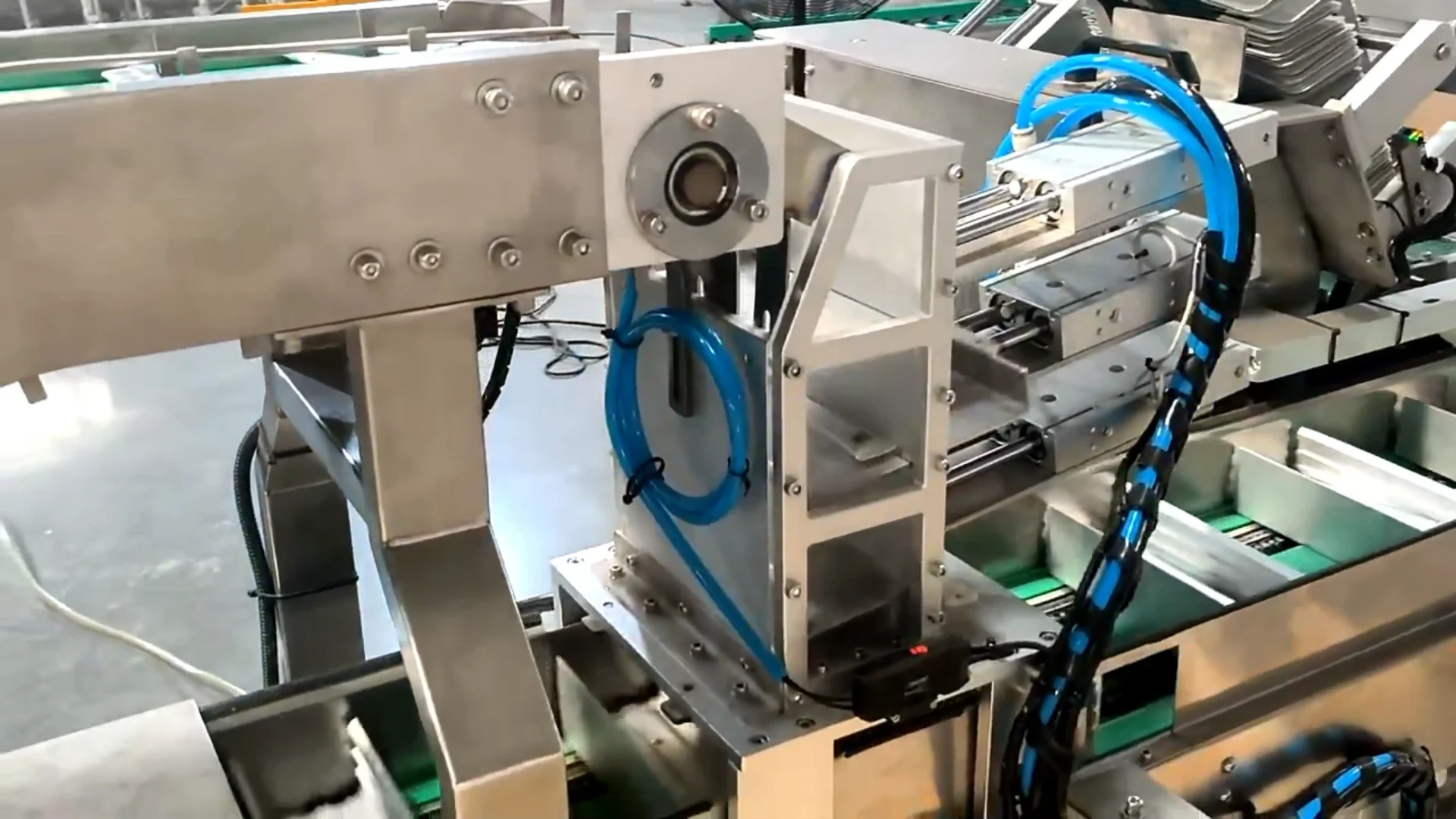
For each boundary, define mechanical space, transfer height, utility responsibility, control signals, guarding, fault behavior and acceptance ownership. A line can contain compatible machines and still fail as a system when nobody owns the pack between them. The interface record should identify both the delivering condition and the receiving condition, with no gap hidden behind the word integration.
Design the stop and recovery path
Review what happens when product supply pauses, the primary machine stops, inspection rejects a pack or downstream equipment faults. Define accumulation limits, safe stop order, restart conditions and the disposition of product already inside the interface. A complete architecture makes those abnormal states testable before site installation and carries the same sequence into the final acceptance plan.