Multi-lane stick pack systems
Narrow single-dose packs where material, fill range, lane pitch and longitudinal sealing must work together.
Review system routeAIX PACK plans multi-lane stick pack, sachet and complete-line systems around material behavior, pack format, output targets and the buyer's downstream boundary.
A buyer does not need a machine model first. Start with the material, the finished pack or the complete-line boundary, then move into the matching technical route.
Review flow, viscosity, particles, residue and sample uncertainty.
Define stick or sachet geometry, film, seal and opening target.
Set inspection, arranging, cartoning and factory handoff boundaries.
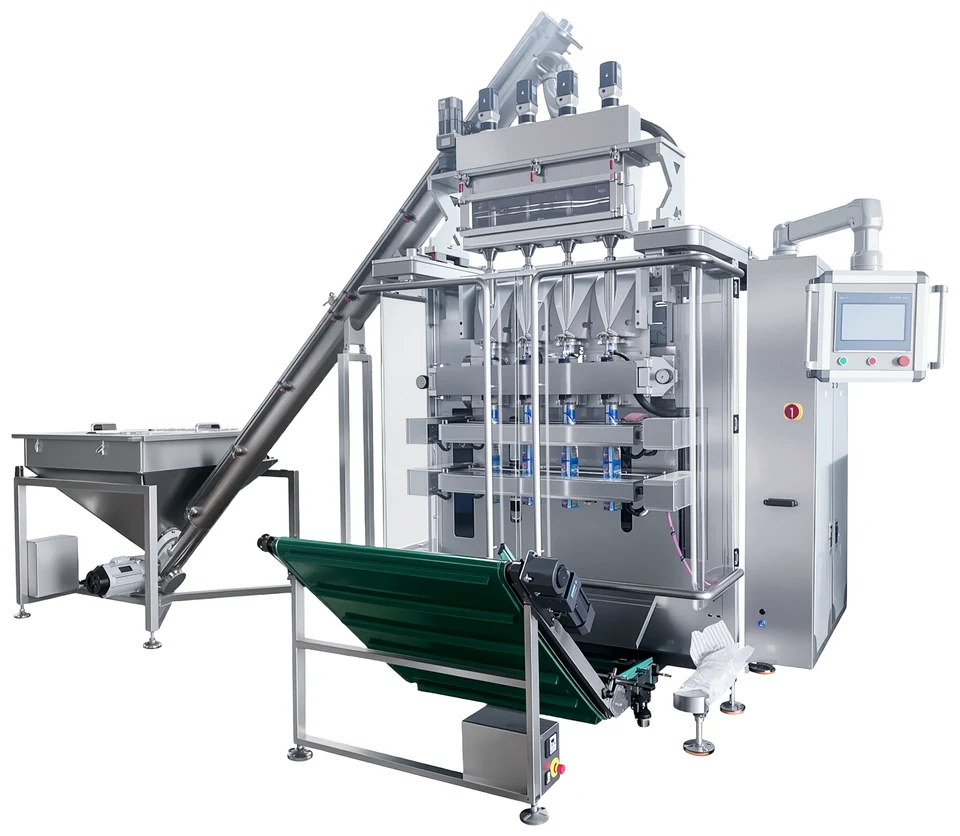
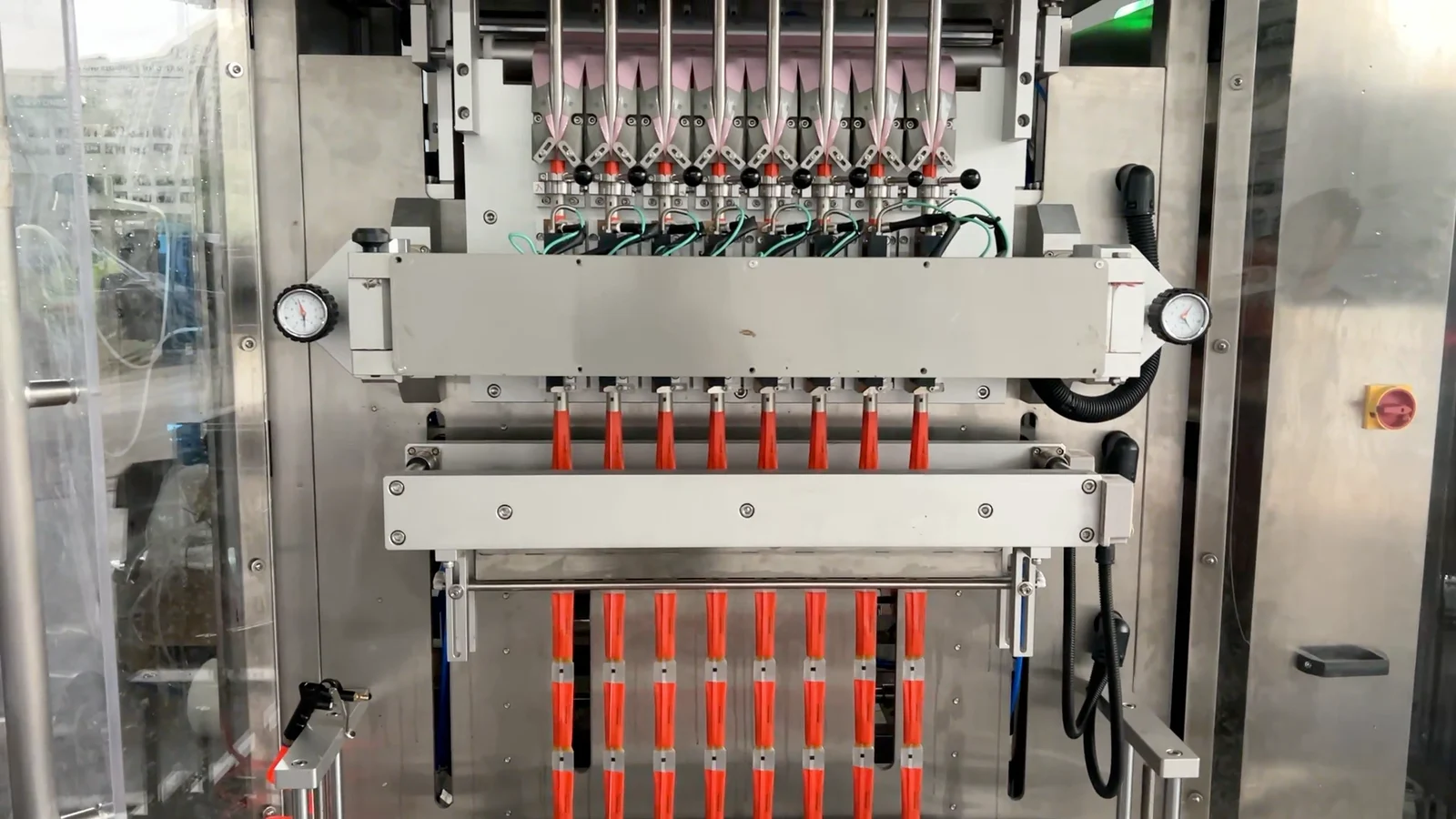
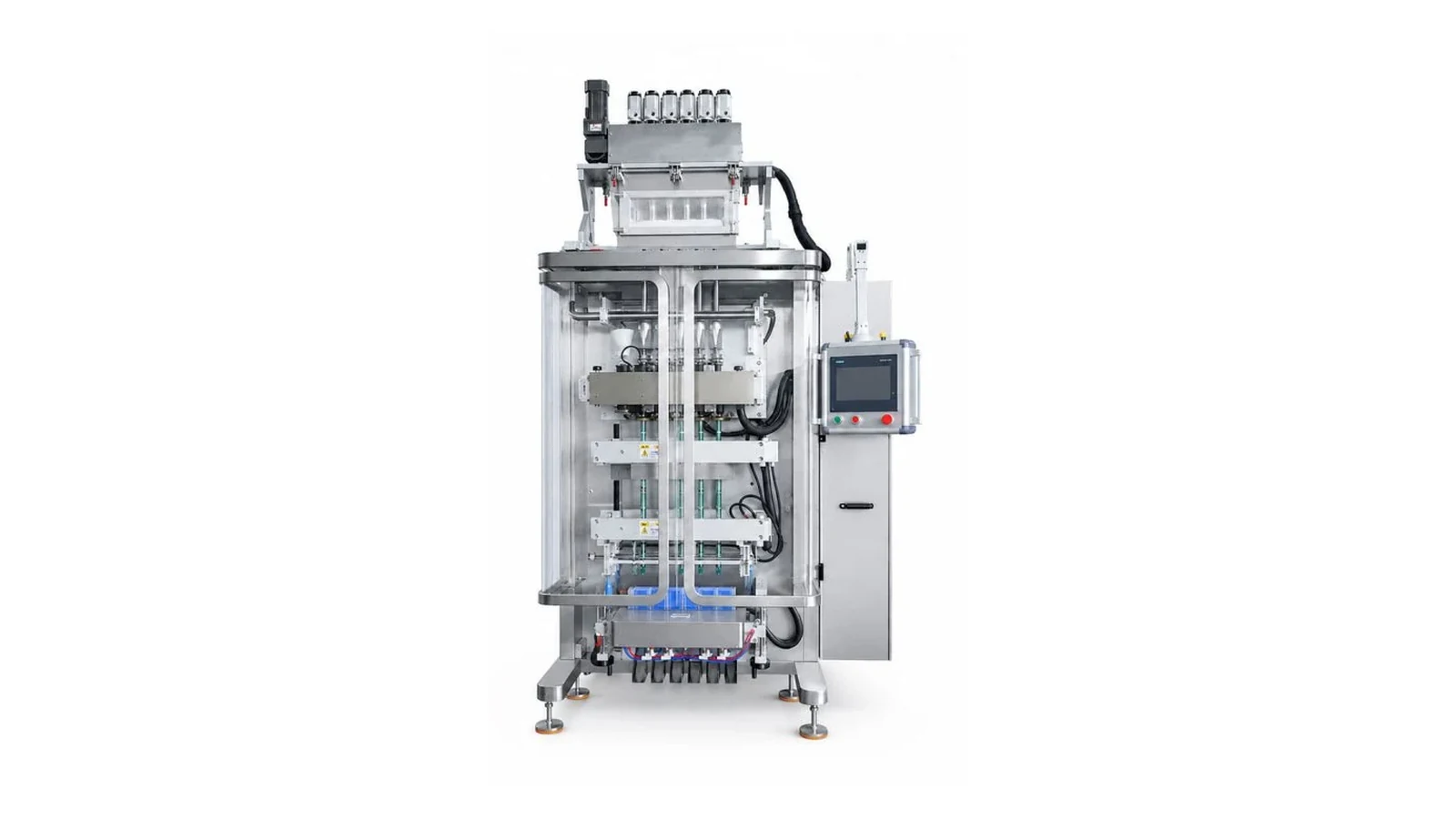
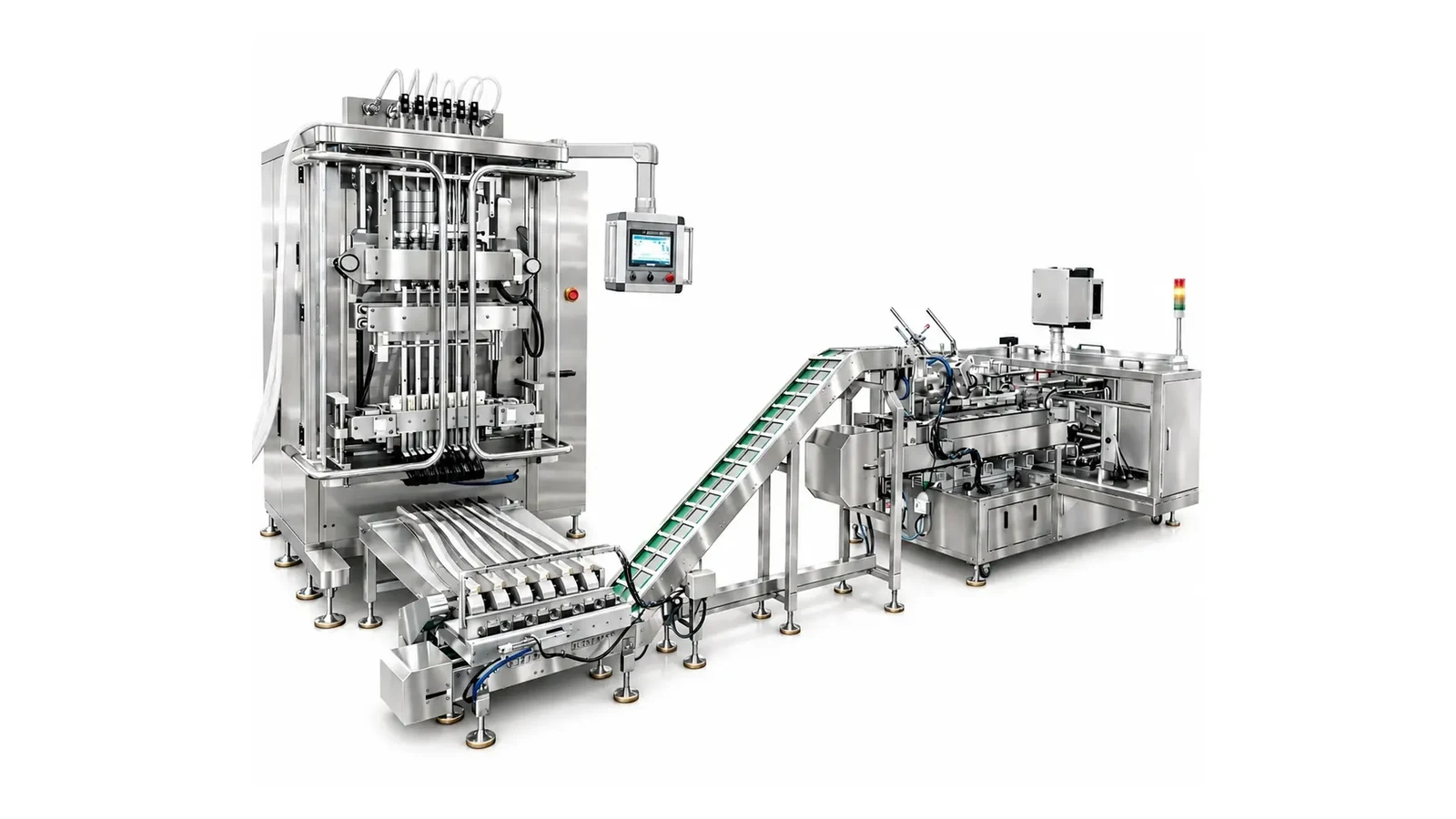
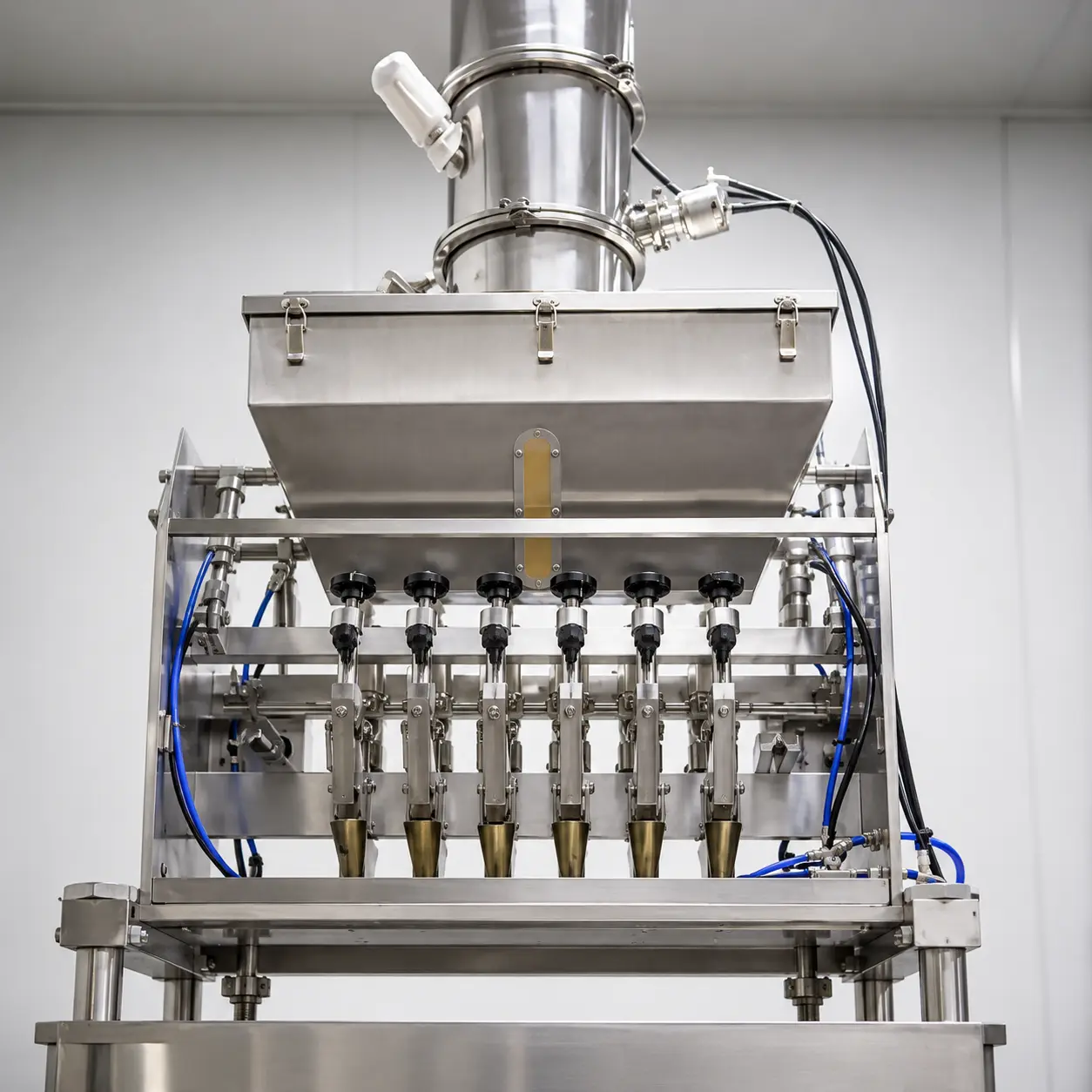
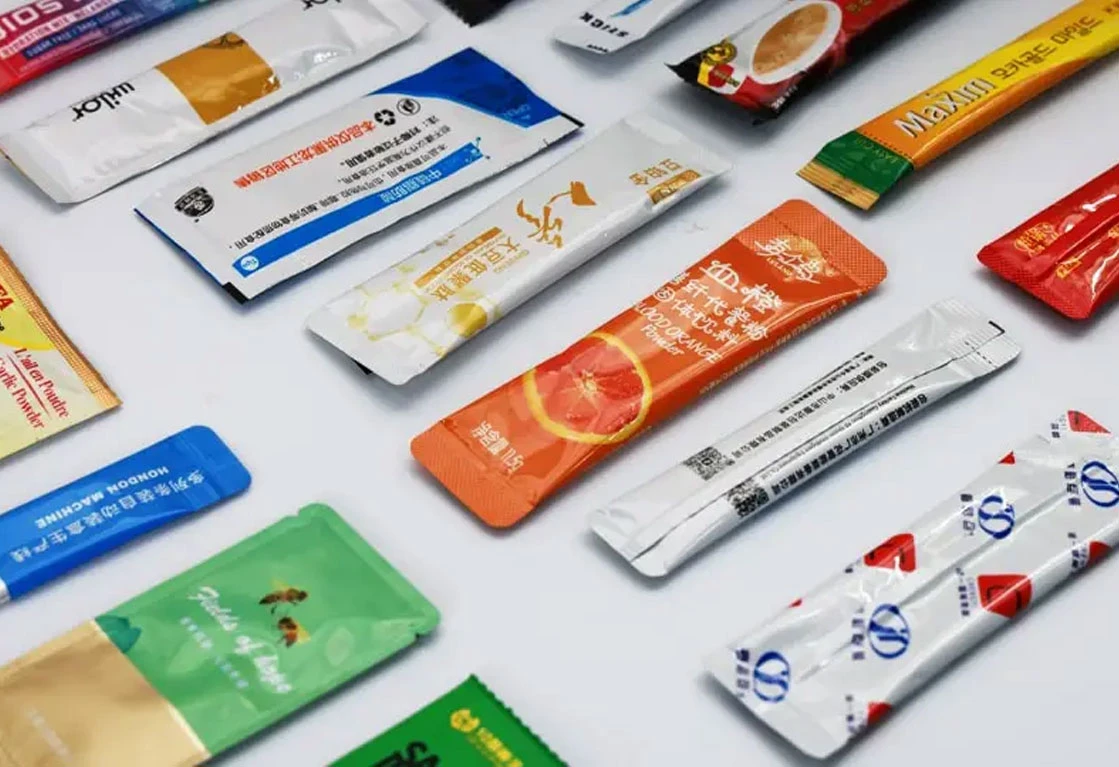
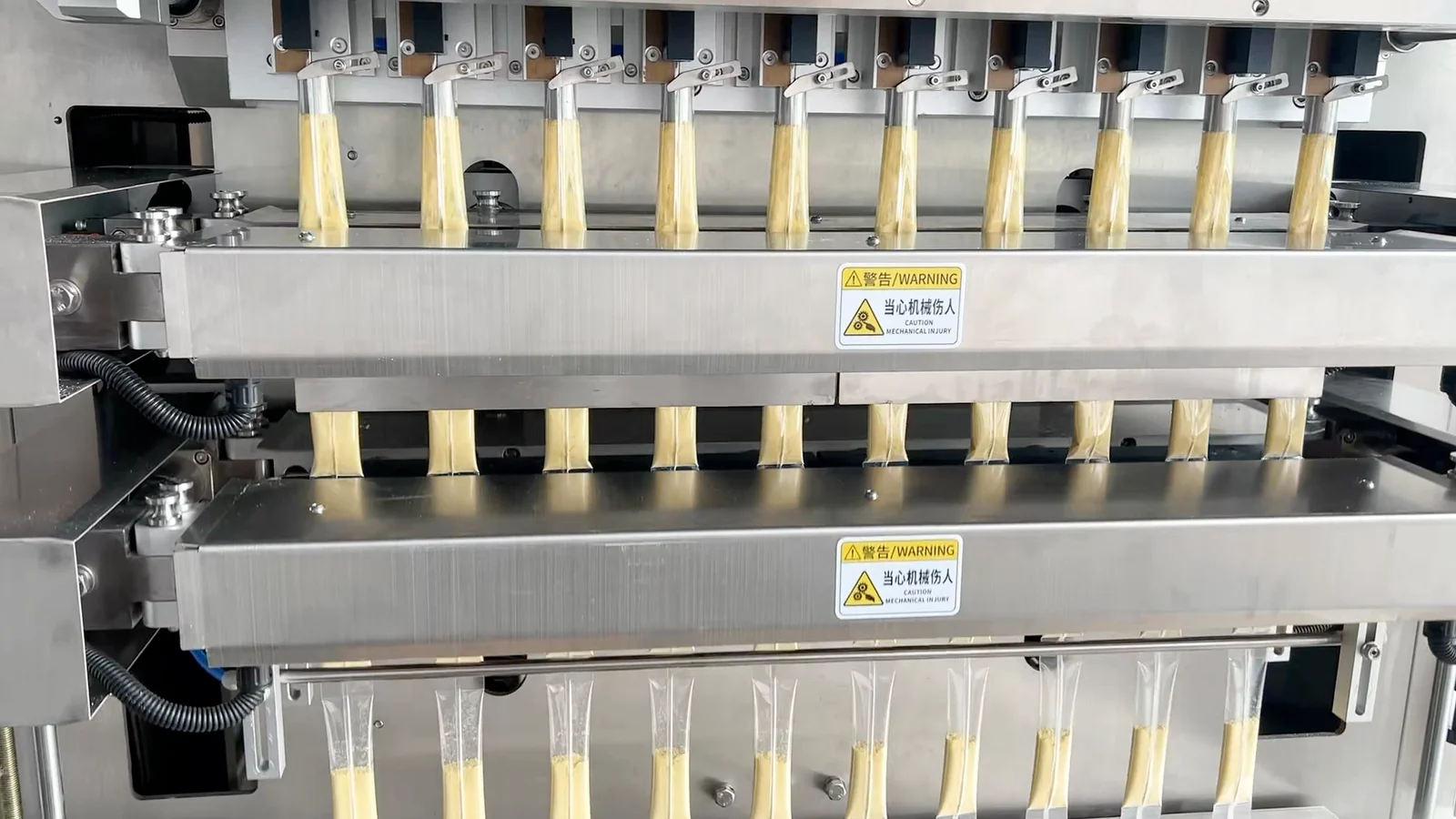
The system family follows material behavior, pack geometry, dosing method and line scope. Images below show configuration context, not a fixed model or universal output.
Narrow single-dose packs where material, fill range, lane pitch and longitudinal sealing must work together.
Review system route
Three-side and four-side seal routes shaped by pouch width, film, cut style and finished-pack handling.
Review system route
Auger, pump, volumetric or project-specific metering connected to inspection and downstream scope.
Review system routePrimary packaging, transfer, inspection and secondary packaging must share one realistic output basis and one responsibility boundary.

Nutraceutical and pharmaceutical-sensitive routes receive first priority. Selected food portion packs remain supported where material and pack behavior match the platform.


Powder flow, dosing repeatability, clean sealing and single-dose presentation.
Review industry route

Product-contact, cleaning, documentation and inspection boundaries require controlled review.
Review industry route

Coffee, instant drink powder, honey and sauce remain supported material routes.
Review industry routeFor nutraceutical and pharmaceutical-sensitive projects, AIX PACK can structure equipment and documentation requirements around product contact, cleanability, controls, acceptance and qualification. The buyer or its quality/regulatory team confirms the applicable regulations and quality requirements; the project contract defines the equipment-supplier documents, support and acceptance records AIX PACK will provide.
Review intended use, product-contact surfaces, cleanability, cross-contamination risks, inspection and maintenance access against the buyer's applicable quality requirements.
Map the U.S. requirements identified by the buyer's quality/regulatory team to equipment design inputs, supplier documents and acceptance records. FDA does not maintain a list of approved drug-manufacturing equipment; suitability remains project- and intended-use-specific.
Project scope may include URS response, DQ, FAT/SAT protocols and IQ/OQ support. PQ, process validation and cleaning validation remain product-, process- and site-specific.
Only current documents with issuer, holder, scope, number and validity are displayed. Reserved evidence slots stay hidden until approved documents are available.
AIX PACK distinguishes material context, equipment configuration and published route references so buyers can see what still requires sample review or project confirmation.
Material ContextSample behavior and production conditions determine the questions before configuration.
Engineering Configuration ContextThey do not establish accuracy, speed, material fit or final lane count without project conditions.
Public Route ReferenceIt does not disclose a customer's fixed configuration, output or project result.
Route references help buyers compare material and pack decisions. Selected public customer names remain separate from machine configuration or result claims.
Public Route ReferencePowder route context for engineering comparison. Final scope remains buyer-specific.
Public Route ReferenceLiquid route context for engineering comparison. Final scope remains buyer-specific.
Public Route ReferenceGel route context for engineering comparison. Final scope remains buyer-specific.
Public Route ReferencePowder route context for engineering comparison. Final scope remains buyer-specific.


Evidence boundary: logo display identifies selected public references only. It does not publish a customer's machine, output or result.
Send the material, pack target, fill range, output goal and downstream scope. Use sample testing when material behavior still controls the machine decision.