Working method
How We Define a Packaging Route
Start from product behavior, then define pack format, system scope and project inputs.
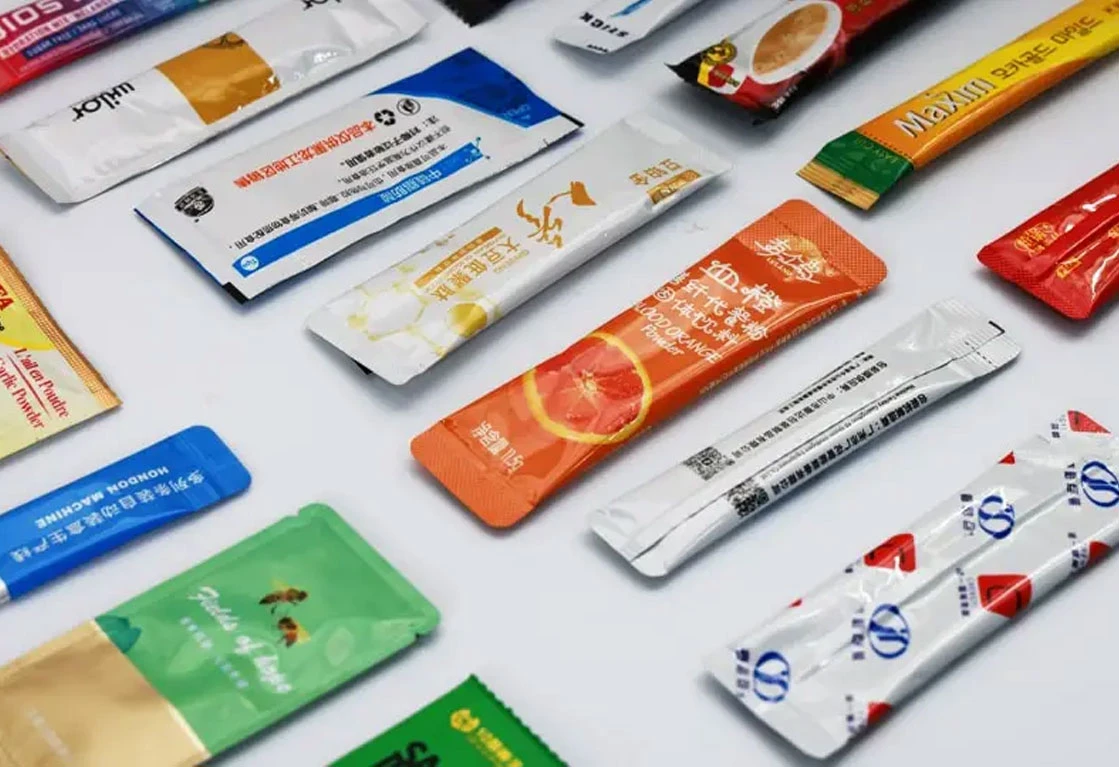
Route definition is the work of turning an initial request into a reviewable contract of inputs, interfaces, tests and unresolved decisions. It prevents a familiar machine model from becoming the answer before the project question is understood.
Working method
Convert an open request into a controlled route definition
Separate facts, targets and assumptions
Facts describe the sample, film, dimensions, utilities and available interfaces. Targets describe the pack and operating result the buyer wants to evaluate. Assumptions are items such as product behavior, future recipe variation or downstream response that have not yet been observed. Keeping these categories separate makes later changes visible.
Build the route from linked decisions
Connect product handling to a candidate dosing review; connect portion and drop path to pack geometry; connect film and contamination risk to forming and sealing; then connect discharge state to inspection and downstream handling. Each connection should identify the input, responsible reviewer and evidence required to accept it.
Freeze only the decisions that are ready
A route can progress while some issues remain open, but every open item needs an owner, next action and effect on scope. Keep provisional values visibly provisional, and freeze the physical pack, interface drawing, test basis or control sequence when its source and revision can be identified.
Choose the next step