
Flow under process conditions
Observe whether the product moves freely, requires pressure or changes materially with temperature.
Use the paste route when viscosity behavior, stringing, particles, temperature, residue, recovery or cleaning materially change supply, pump or valve, nozzle, cut-off, pack width and seal-zone decisions.
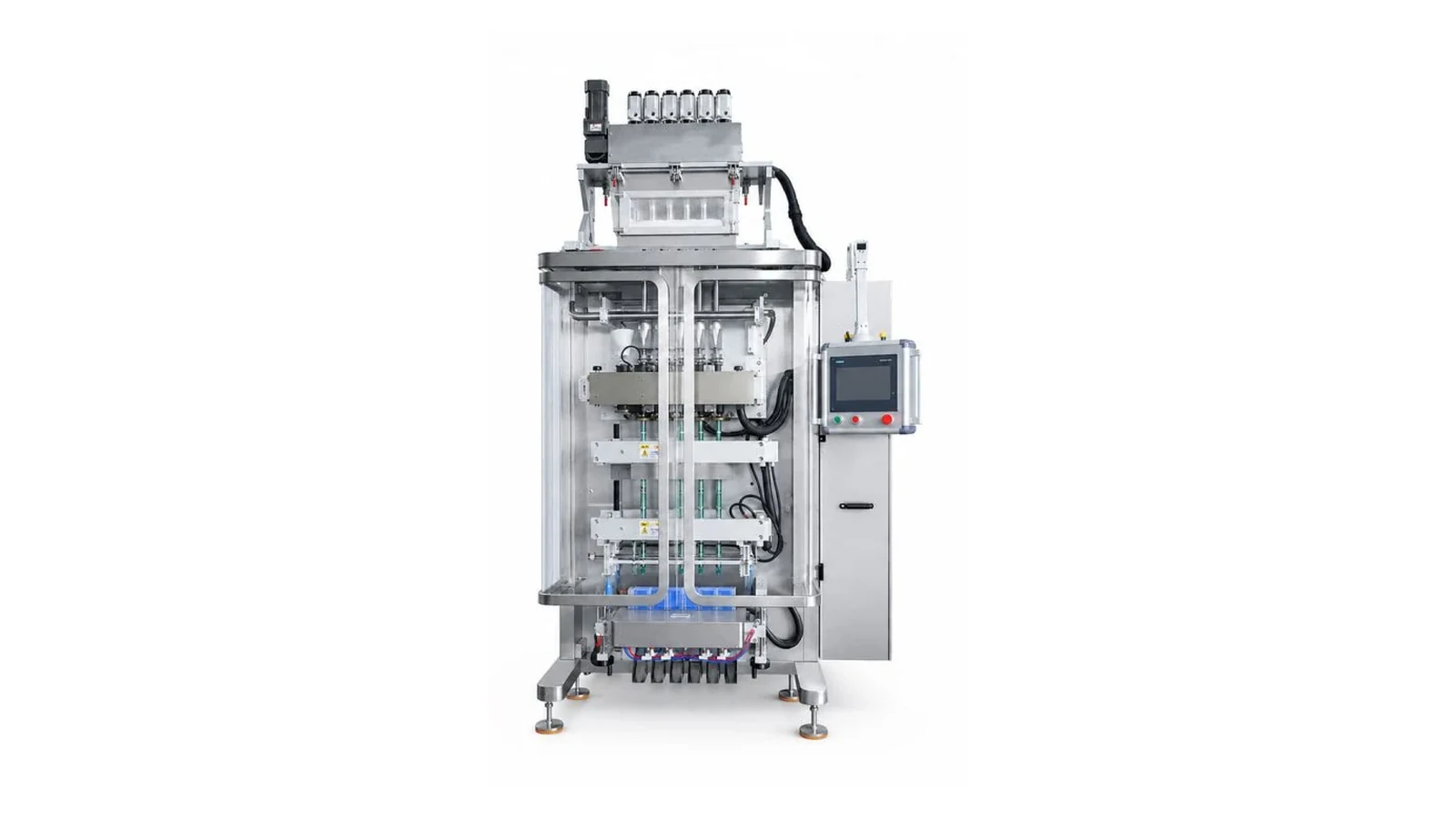
Non-free-flowing behavior, stringing, high residue, particles, temperature sensitivity and recovery needs place the project on the paste route.
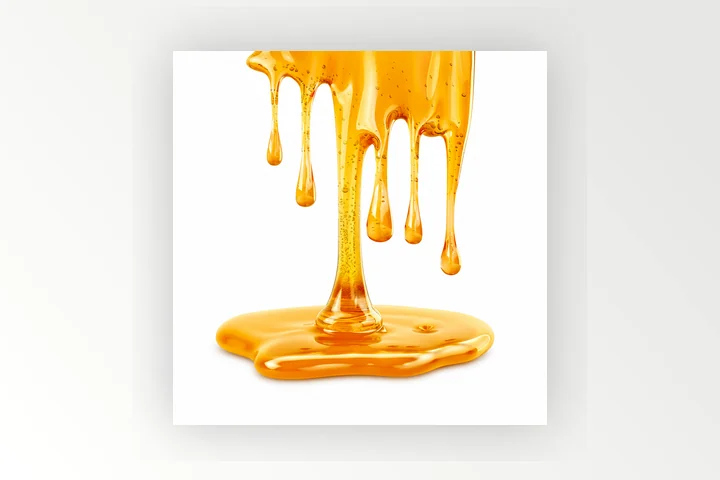
Observe whether the product moves freely, requires pressure or changes materially with temperature.
Observe tailing, bridging, smearing and residue after the intended fill action.
Record particle size, shape, distribution and settling or blockage behavior.
Define hold-up, product loss, recovery, cleaning and restart expectations.
Temperature control, mixing, agitation, pressure, wide passages and product recovery are candidate questions only. The actual sample and process conditions decide whether any are needed.
State storage, preparation, temperature, mixing, transfer, settling, particle and batch-variation conditions.
Record the proposed vessel, feed, pressure, temperature, passage, hold-up and cleaning questions without treating them as standard equipment.
Pump principle, valve action, nozzle geometry, pressure, retraction or recovery concepts remain candidates until product behavior and acceptance questions are observed.
Compare candidate pump or valve principles against viscosity behavior, particles, target fill and product sensitivity.
Review clearances, manifolds, hoses and nozzles against particles, pressure, hold-up and cleaning.
Observe stringing, smearing, tailing and residue before evaluating candidate control actions.
Define how retained product, purge, recovery, cleaning and restart affect the accepted process.
Record sample, pack, condition, observation method, responsibility and acceptance criteria for the proposed route.
| Project decision | Input and written boundary |
|---|---|
| Material and behavior input | Provide representative product, temperature, viscosity behavior, stringing, particles, residue and recovery expectations. |
| Pack format and film input | Provide Stick Pack or sachet geometry, target fill, pack width, film structure and seal-window evidence. |
| Supply and filling review | Review preparation, supply, pump or valve, nozzle, cut-off and cleaning options against the actual sample. |
| Target output and downstream input | State the conditional output target and required inspection, collection, counting or secondary-packaging handoff. |
| Final configuration and acceptance | Confirm the product-contact route, filling configuration, output basis and acceptance method in approved written project documents. |
The same five conditional inputs are used in the Product structured data for this page. They are not catalogue specifications.
Pack width, headspace, fill position, film window, product spread, stringing and residue must be reviewed together. A wider path is a candidate response, not a default capability.
Share Stick Pack or sachet dimensions, target fill, film and seal basis.
Review how the paste exits, settles and approaches the seal area under stated conditions.
Consider candidate passage, timing, cut-off, headspace and cleaning decisions.
Record appearance, seal-zone condition, inspection and downstream handoff criteria.
The project must define contact surfaces, hold-up, access, cleaning method, recovery ownership, product sequence and the evidence required before changeover or restart.
The Manuka route highlights viscosity, temperature, stringing, residue, pump and cut-off questions for a Honey Stick Pack. It is not Sachet proof and does not establish a result.
Public material-and-pack route context only. It does not establish the installed machine, lane count, speed, accuracy, configuration, compliance status, validation outcome or customer result. It is a Honey/viscous-liquid Stick Pack route, not evidence for a Sachet installation.
Review the bounded Manuka routeUse Sample Testing when stringing, particles, temperature, residue, recovery or cleaning may change the route. Use the RFQ when the main inputs are defined.
Use the paste route when non-free-flowing behavior, stringing, high residue, particles or recovery and cleaning needs materially affect supply and cut-off decisions.
No. They are candidate review questions only and must be selected from the actual material, temperature, pack, cleaning and acceptance conditions.
Provide a representative sample, operating temperature, target fill, pack drawing, film basis, particle information, cleaning expectation and output target.