
Powder
Flowability, dust, bulk density and seal-area contamination.
Determine stick pack fit from the material, finished pack, dosing route, lane concept and downstream boundary before selecting a machine configuration.
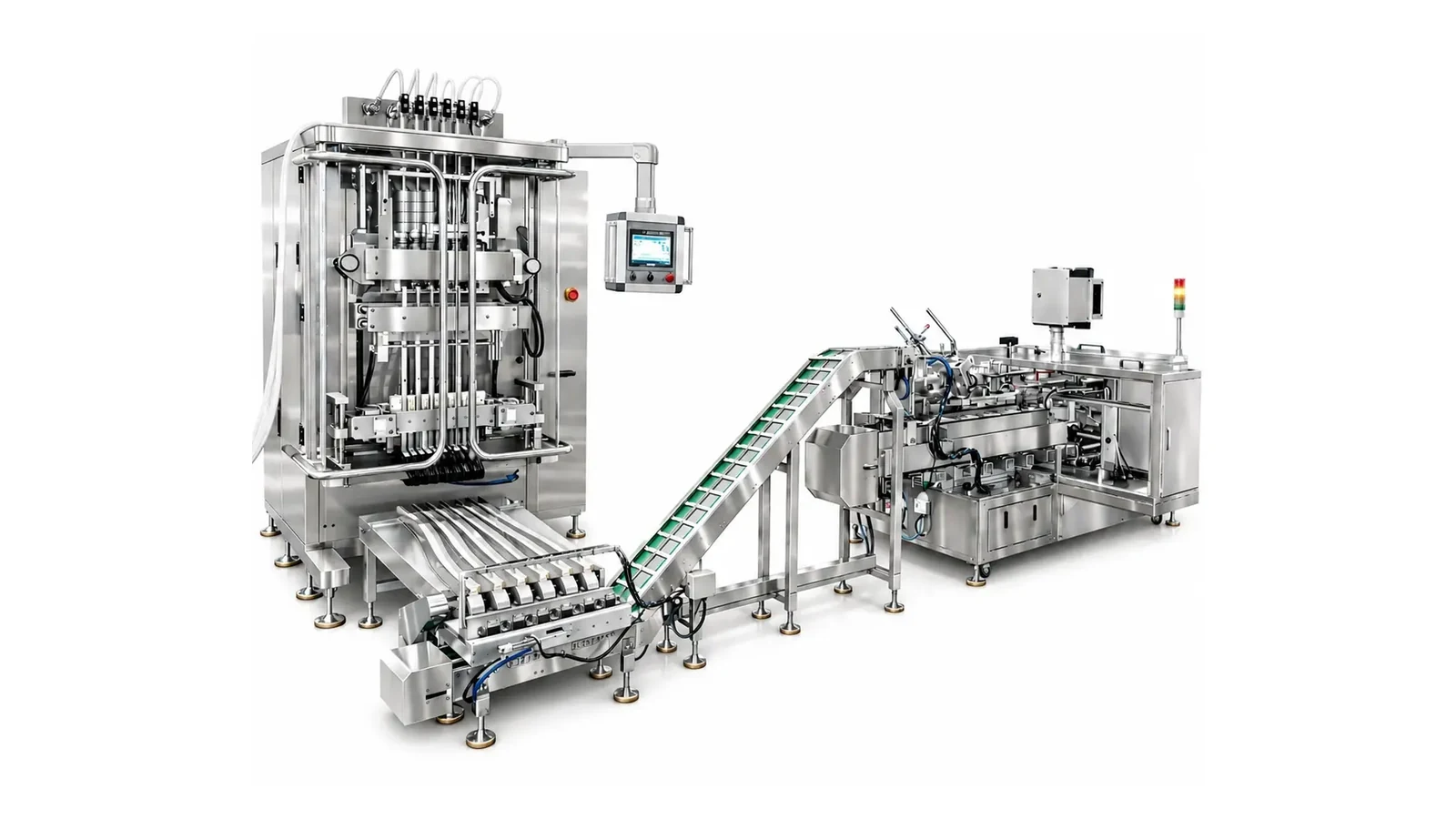
The platform is confirmed only after the product, stick geometry, dosing route, lane concept and evidence plan agree.
Describe product state, sample behavior and target fill.
Define width, length, seal, film and opening target.
Match auger, pump, volumetric or reviewed metering.
Balance filling stability, film path and downstream capacity.
Confirm the tests, documents and acceptance criteria before the machine scope is frozen.
Material behavior determines feeding, dosing, product-contact and seal-protection questions before lane count is reviewed.
Flowability, dust, bulk density and seal-area contamination.
Particle size, fragility, segregation and stable feed.
Viscosity, foam, drip, cut-off and clean sealing.
Temperature, particles, stringing, valve path and residue.
Stick width, film structure, longitudinal seal, opening method and cut style define the forming route and practical lane pitch.
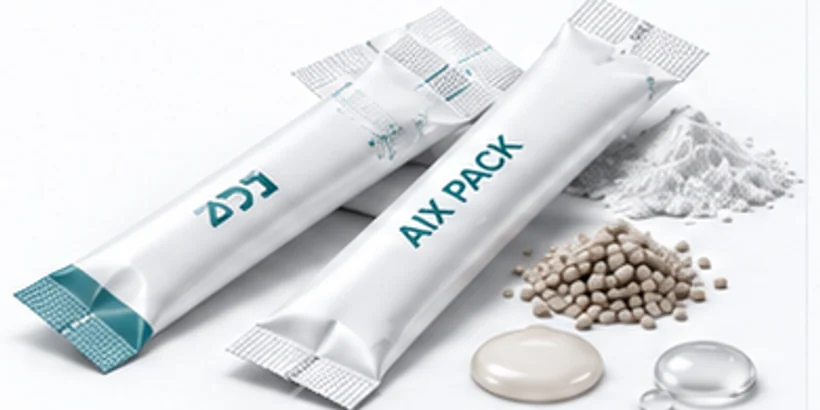 Engineering Configuration Context
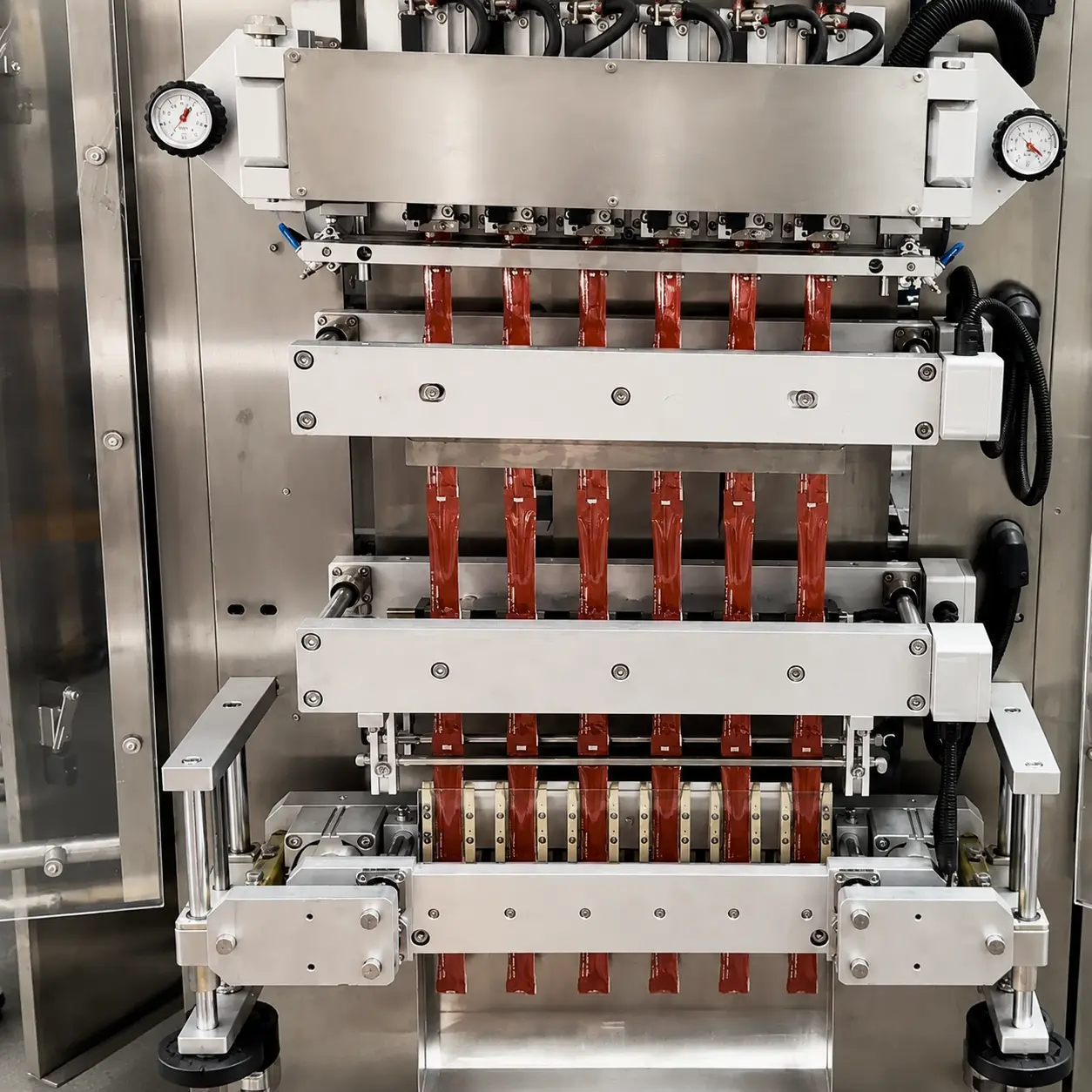 Engineering Configuration Context
These inputs determine the proposal. No default speed, accuracy, lane count or fill range is presented without a registered project basis.
| Decision | Buyer input | Engineering effect |
|---|---|---|
| Fill and tolerance | Target dose, acceptable variation and test method | Metering route and acceptance conditions |
| Stick dimensions | Width, length, seal position and opening feature | Forming set, lane pitch and cutting |
| Film | Structure, thickness, print repeat and sealing window | Film path, heat and registration controls |
| Lane concept | Output goal, access and downstream capacity | Practical lane review, not a catalog default |
| Line boundary | Coding, inspection, counting and cartoning need | Discharge and responsibility scope |
| Regulated-market scope | Target market, applicable quality requirements, product-contact, cleaning, audit and document needs | Project-specific design, document and acceptance scope |
A published route image can support discussion, but the buyer's material, film, dose and acceptance method control any running proof.
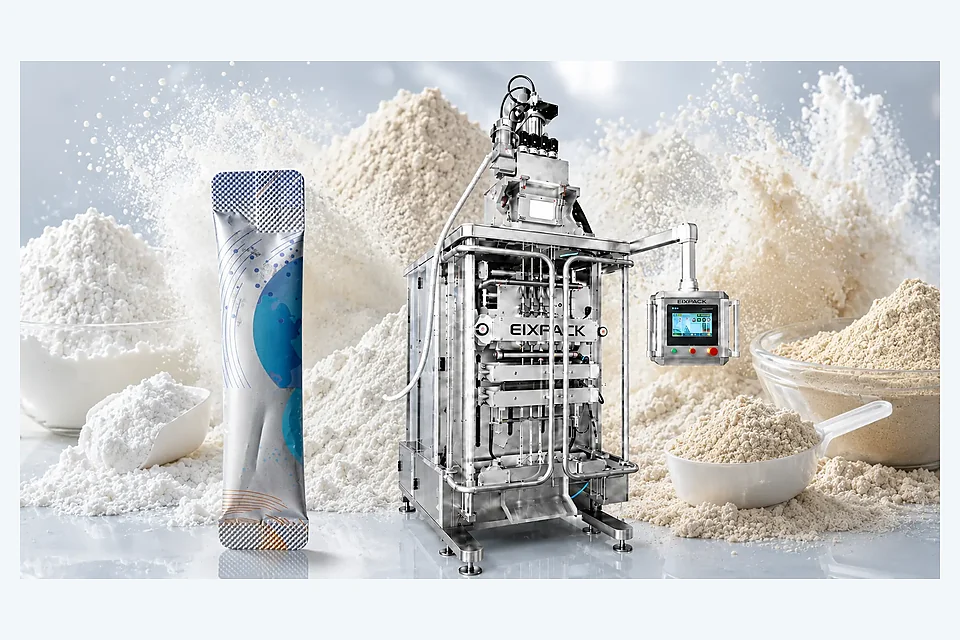 Public Route Reference
This reference supports powder and stick pack route discussion only. It does not identify a fixed machine, output, accuracy or customer result.
Qualified sticks must move through the agreed inspection, counting, arranging and secondary-packaging route without assuming every project needs the same line.
Send material, stick dimensions, fill range, output goal and line scope. Use sample testing when the material or seal behavior remains uncertain.