
Identify the real material, dose, sample status and known behavior.
Food portion-pack project planning
Food stick pack and sachet systems for portion packaging.
Connect the real food material to candidate dosing, Stick Pack or sachet format, film and seal requirements, finished-pack presentation and any carton-ready handoff.
- Material
- Behavior and sample status
- Pack
- Format, fill and seal target
- Line
- Output and handoff boundary
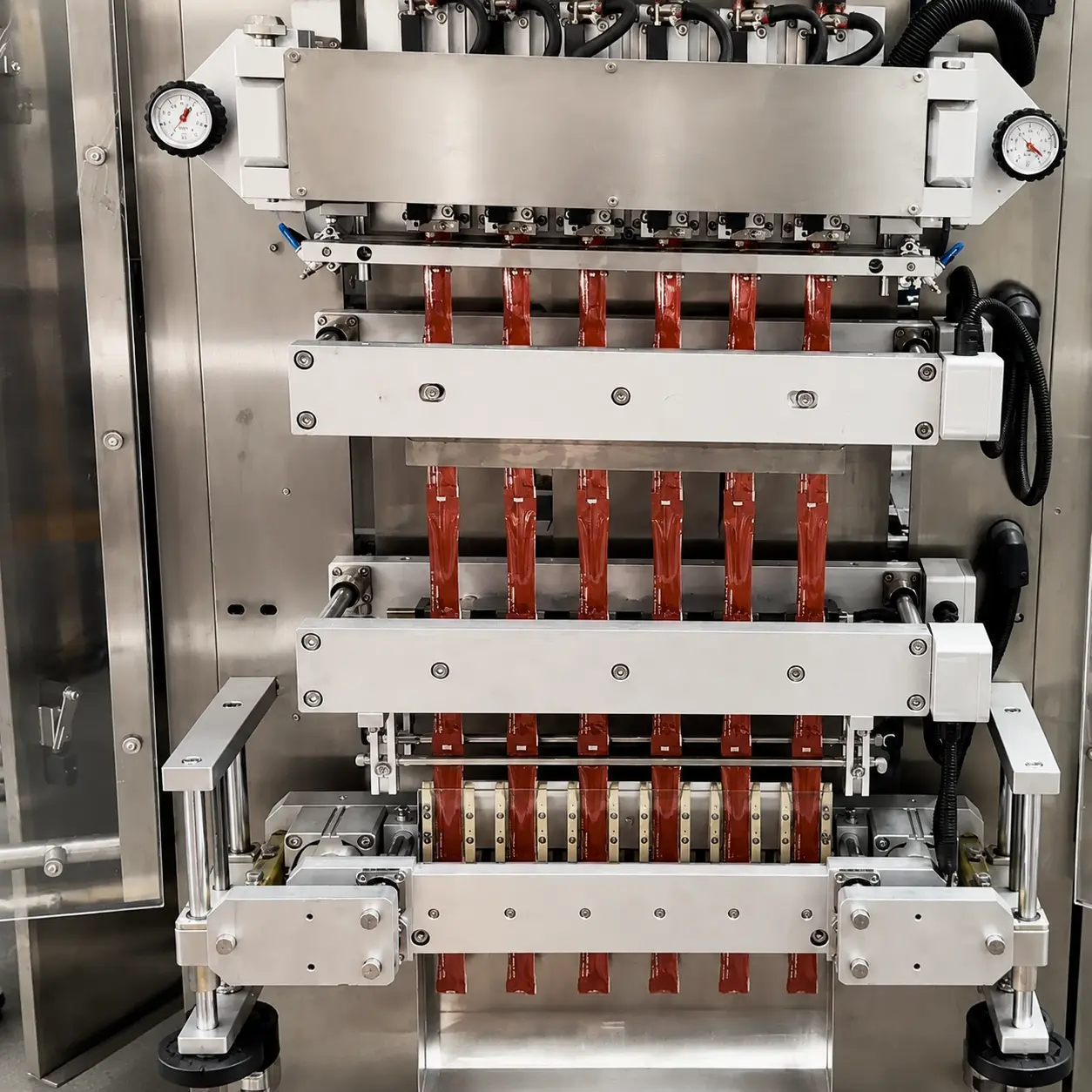
Start with the portion-pack decision, not a generic food label.
Coffee powder, beverage powder, seasoning granules, honey and sauce reach different machine questions. Owners, contract packers, engineers and quality teams should name the material, pack, line boundary and approval responsibilities first.
Define Stick Pack or sachet, dimensions, film, print and seal expectations.
Clarify machine-only scope, accepted-pack handoff, site inputs and buyer approvals.
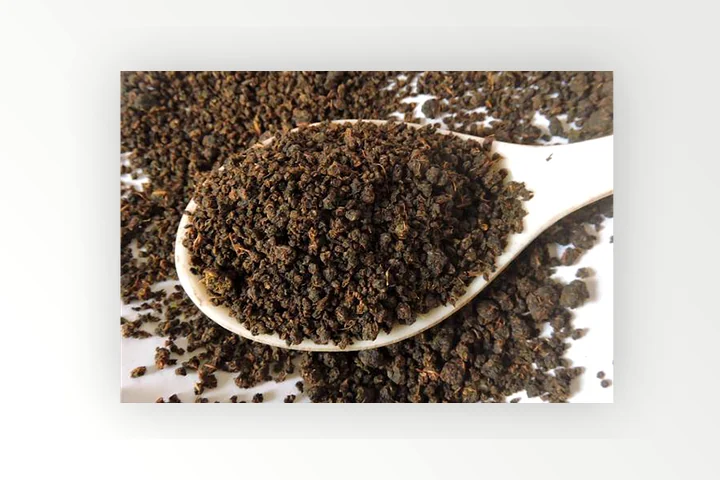
Choose the material question before choosing the machine route.
These images are material context, not customer products or machine-fit proof. Use the owner pages for the full engineering decision.


Put the commercial pack and machine inputs into one approved scope.
The table is the visible Service contract. It defines decisions and boundaries without promising a standard machine capability.
| Project decision | Visible scope boundary |
|---|---|
| Buyer and product fit | Define the food material, dose, sample status, pack presentation, site requirements and named approval responsibilities. |
| Material and dosing inputs | Separate powder, granule, liquid and paste behavior before selecting a candidate feeding or metering route. |
| Pack and line boundary | Define Stick Pack or sachet, film, seal, inspection, accepted-pack handling and any carton-ready handoff. |
| Sample and acceptance basis | Use representative material, target packs, project conditions, tests, records and buyer-approved acceptance questions. |
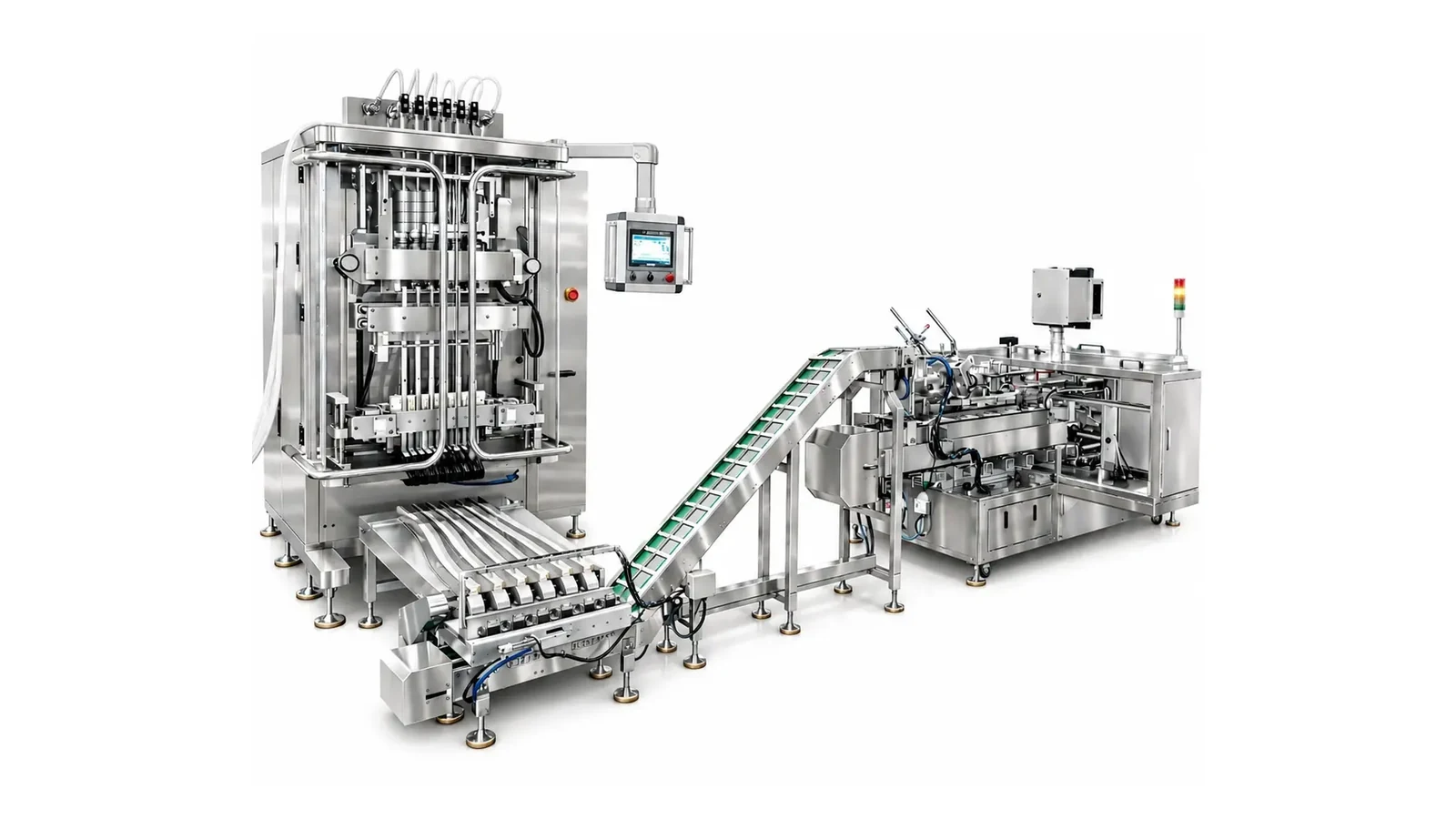
Define where accepted packs leave the machine and who owns the next handoff.
A machine scope may end at accepted individual packs. A complete-line discussion can add inspection, counting, grouping, transfer or cartoning interfaces only when those responsibilities are approved.
Filled and sealed packs
Material route, dosing candidate, film, seal, inspection point and accepted-pack definition.
Downstream and carton handoff
Counting, grouping, transfer, carton inputs, interfaces and inclusion or exclusion by contract.
Write cleaning, film, seal and factory requirements as buyer-owned project inputs.
The page does not certify food safety, food-contact compliance, hygiene level, shelf life, sterile production, CIP, SIP or a fixed cleaning capability.
Define before quotation
Contact parts, access, cleaning method, residue, allergens or cross-contact concerns, film data, seal expectations, site rules and target market.
Approve in the project record
Responsibilities, tests, records, exclusions, acceptable packs and the evidence needed before any specific compliance statement.
Reduce material and seal uncertainty before the quotation becomes a promise.
Use representative material and target packs when product behavior can change feeding, dosing, filling, residue or seal cleanliness.
Batch status, flow, dust, particles, viscosity, temperature and known conditions.
Dose, dimensions, film, print, opening and seal expectations.
Output target, site interfaces, cleaning inputs and downstream handoff.
What will be observed, recorded, reviewed and approved before scope closure.
Level B · Public Route Reference
Use the Hogood Coffee route to prepare a similar powder project.
The public source associates Hogood Coffee, coffee powder and Stick Pack as route context. It does not establish a machine, line, installation, delivery, performance or result.
Read the bounded Hogood Coffee public route referenceHow is a food portion-pack machine route selected?
Start with the real material, target dose, Stick Pack or sachet, film, seal expectations and downstream boundary. Feeding and metering remain candidate routes until those inputs and any required samples are reviewed.
Does this page claim food-contact compliance or a fixed cleaning level?
No. Product-contact, cleaning, hygiene and market requirements are buyer and project inputs that must be confirmed in the approved equipment scope.
When should a food project include complete-line planning?
Include line planning when accepted packs must be inspected, counted, grouped or handed to cartoning. Carton format, count, interfaces and responsibility boundaries should be defined before quotation.