
Thin liquid
Review free flow, splash, air entrainment, dripping and control at cut-off.
Review the real liquid for viscosity behavior, temperature, foam, particles, dripping, stringing and residue before selecting supply, pump, manifold, nozzle, cut-off or seal-zone decisions.
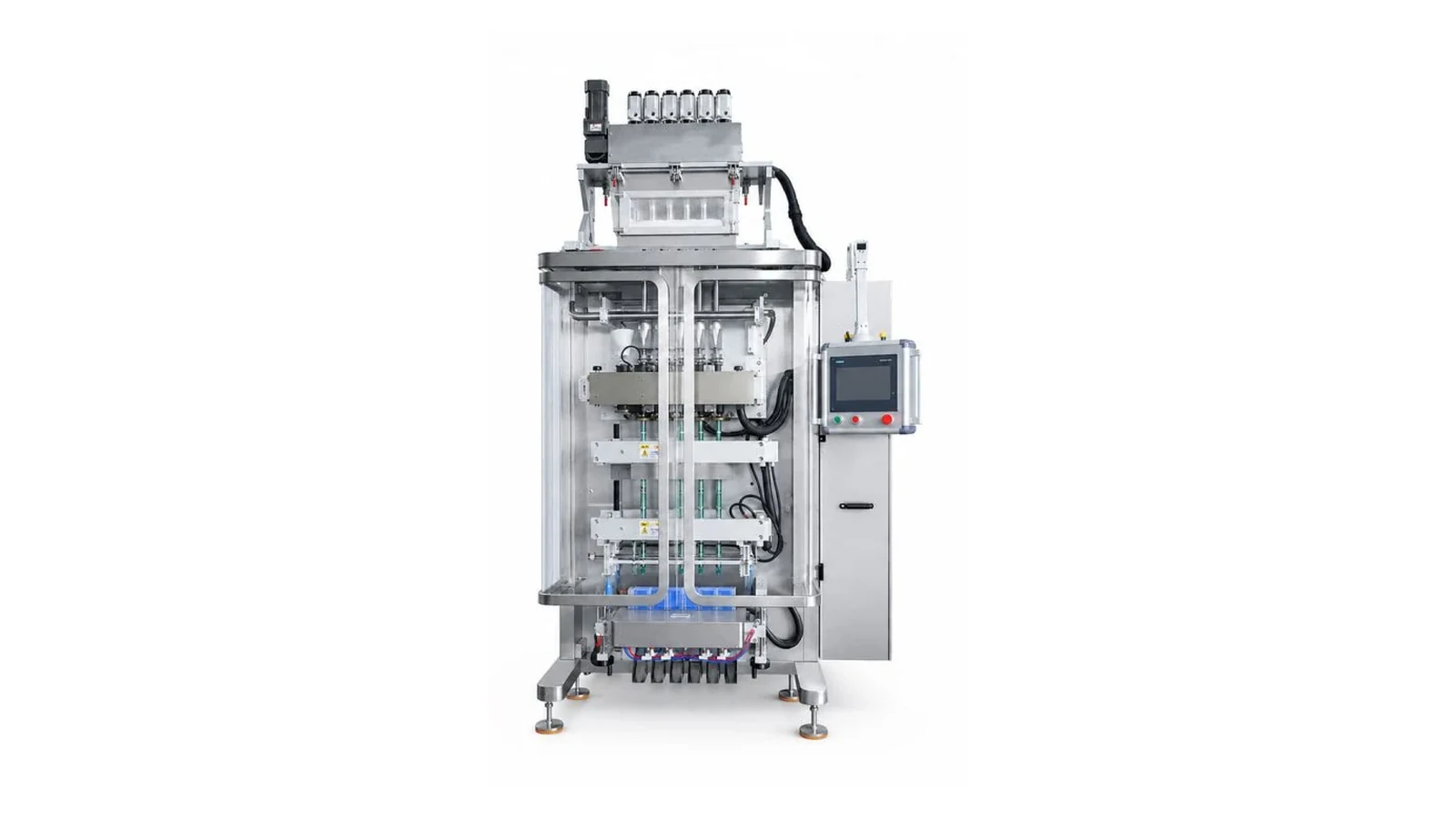
These classes are engineering review inputs, not material-fit guarantees. A representative sample and stated operating condition remain necessary.
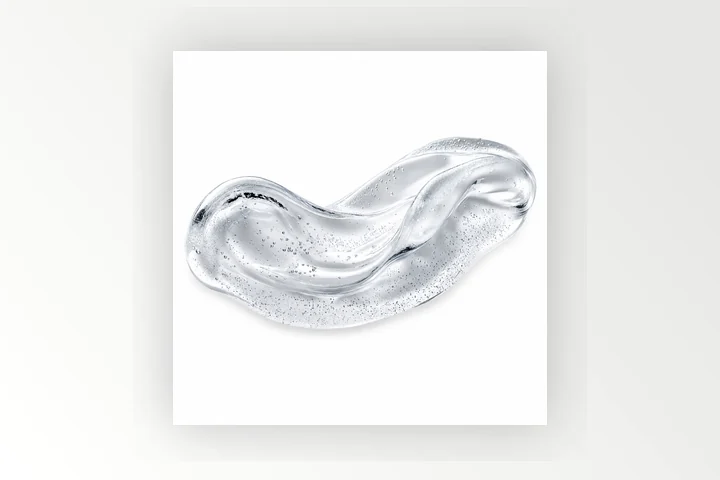
Review free flow, splash, air entrainment, dripping and control at cut-off.
Review supply, filling velocity, headspace, dwell and foam near the seal zone.
Review temperature sensitivity, stringing, residue, pressure and cut-off behavior.
Review particle size and distribution, settling, flow-path clearance and sample representativeness.
No product name alone establishes a pump, flow path or cut-off result. Review the complete path from supply stability to the moment product leaves the nozzle.
Confirm vessel, transfer, level, temperature, mixing or settling conditions that can change repeatable feeding.
Compare candidate metering principles only after material behavior, target fill and product sensitivity are known.
Review manifold balance, hold-up, pressure and lane-to-lane feed conditions for the proposed route.
Observe splash, foam, dripping, stringing, particles and residue before selecting the candidate geometry or control action.
| Project decision | Input and written boundary |
|---|---|
| Material and behavior input | Provide representative liquid, temperature, viscosity behavior, foam, particles, dripping, stringing and residue observations. |
| Pack format and film input | Provide Stick Pack or sachet geometry, target fill, film structure, print repeat and seal-window evidence. |
| Supply and filling review | Review supply stability, pump, manifold, nozzle and cut-off options against the actual material and cleaning requirements. |
| Target output and downstream input | State the conditional output target and required inspection, collection, counting or secondary-packaging handoff. |
| Final configuration and acceptance | Confirm the product-contact route, filling configuration, output basis and acceptance method in approved written project documents. |
The same five conditional inputs are used in the Product structured data for this page. They are not catalogue specifications.
Pack geometry, film window, fill timing, splash, foam, dripping and residue interact. A clean-looking material image cannot establish seal performance.
Provide Stick Pack or sachet geometry, film data, headspace and print registration.
Review velocity, splash, foam, dripping, stringing and particle passage under stated conditions.
Review timing, product carryover, residue, cleaning access and the agreed inspection basis.
Write the conditions, observations, criteria and downstream handoff used for acceptance.
The buyer identifies applicable material-contact, allergen, cross-contact, cleaning, drain, inspection and documentation requirements. The approved scope records what the equipment route supports.
Identify surfaces, seals, hoses, valves, manifolds, nozzles and hold-up points that require project review.
State manual or other required cleaning approach, disassembly expectations, agents, temperature and verification responsibility.
Define product sequence, retained material, access, time target and the evidence needed before restart.
State the buyer's quality and market requirements so deliverables and exclusions can be written into scope.
A test plan records the representative sample, film and pack basis, operating conditions, observations and acceptance questions. It does not convert one trial into a universal material or output claim.
The public route helps a similar Gel Stick Pack buyer identify product-contact, cleaning, cut-off, documentation and sample-review questions. It does not establish a customer result or regulatory conclusion.
Public material-and-pack route context only. It does not establish the installed machine, lane count, speed, accuracy, configuration, compliance status, validation outcome or customer result. It is a Gel Stick Pack route, not evidence for a Sachet installation or a regulatory result.
Review the bounded Aurora routeUse Sample Testing for unresolved behavior. Use the Engineering RFQ when the material, pack, output and line inputs are sufficiently defined.
No. Viscosity behavior, temperature, foam, particles, fill target, residue, cleaning and cut-off observations must be reviewed together.
No. No anti-drip result, fixed pump, accuracy or output is established until the real material, pack and accepted test conditions are confirmed in writing.
Use sample testing when foam, dripping, stringing, particles, temperature or seal-zone residue may change the supply, filling or cut-off route.