
01Material Context
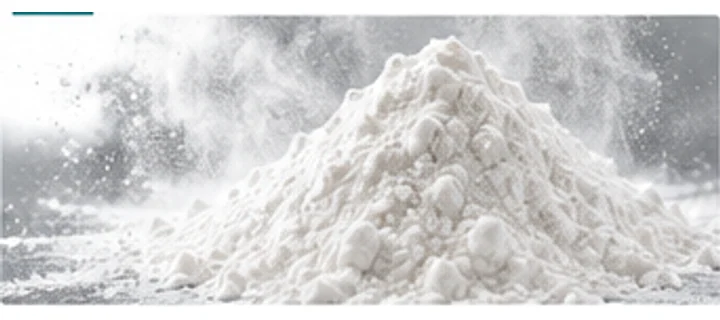
Powder
Flowability, bulk density, dust and bridging shape the feeding and auger review.
Review Powder routeChoose the dosing principle from product behavior, fill range, lane balance, product-contact needs and the evidence required before machine scope is fixed.
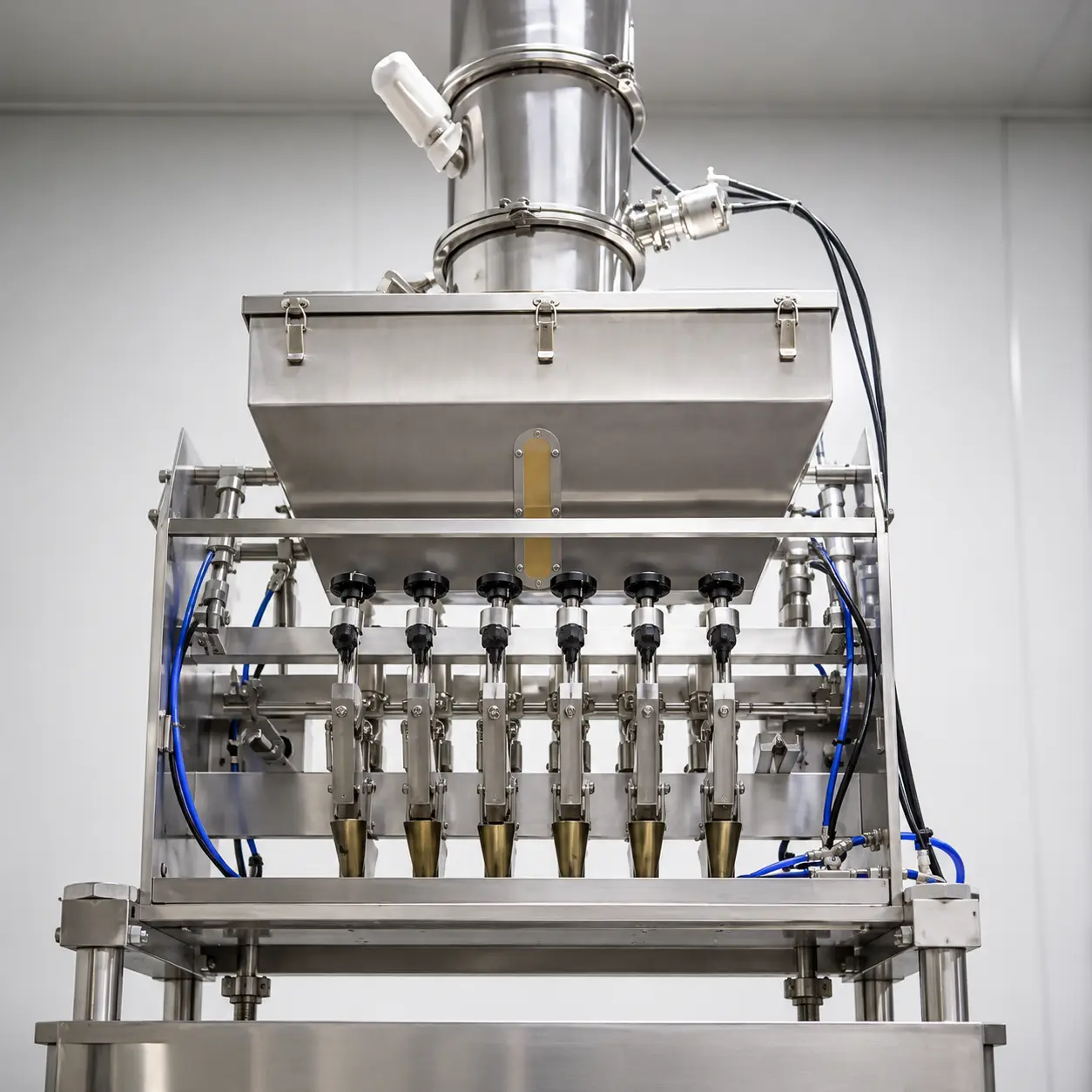
The material category identifies the first route, while the buyer's representative sample and operating conditions determine the remaining engineering questions.
Flowability, bulk density, dust and bridging shape the feeding and auger review.
Review Powder route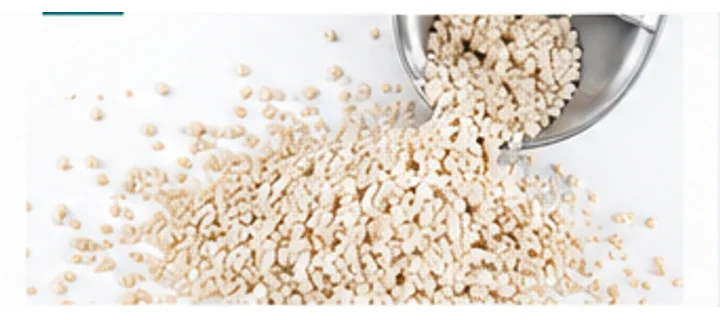
Particle size, fines, fragility and segregation shape the transfer and metering route.
Review Granule route
Viscosity, foam, drip and temperature shape the pump, nozzle and seal-zone review.
Review Liquid route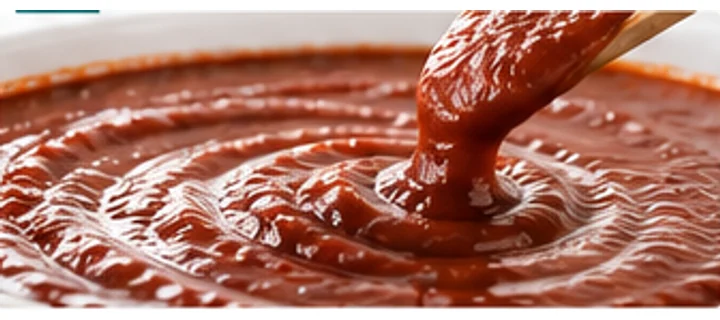
Stringing, residue, particles and cut-off behavior shape the valve and cleaning route.
Review Paste routeFlowability, bulk density, dust and bridging are reviewed together because each can change hopper behavior, auger selection and lane balance.
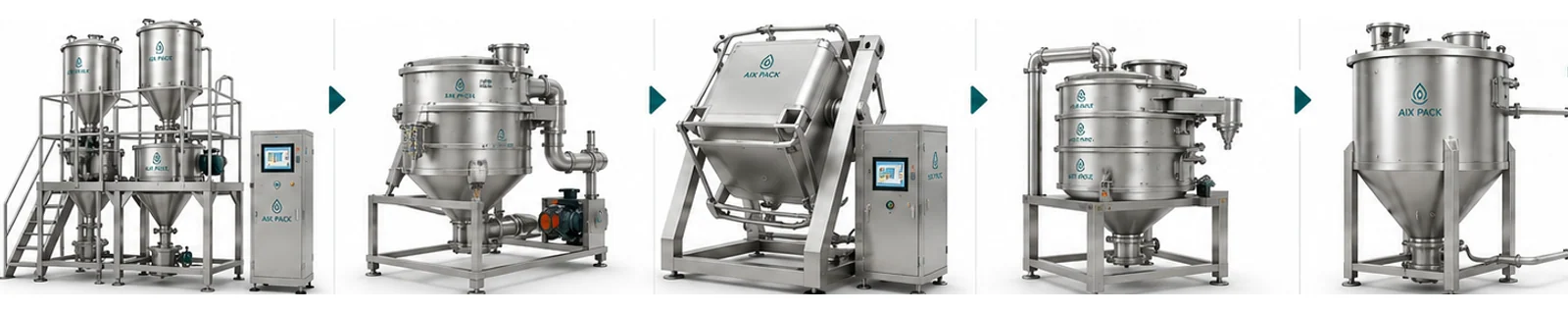 Engineering Configuration Context
| Powder condition | Evidence to bring or observe | Decision supported |
|---|---|---|
| Flow and bridging | Observe discharge, interruptions and hopper behavior | Auger supply, hopper and agitation concept |
| Bulk density | Record representative batch condition and fill target | Auger geometry and calibration approach |
| Dust and residue | Observe airborne powder and seal-area carryover | Containment, drop path and cleaning questions |
Particle size, fines, fragility and segregation guide whether volumetric, weighing, counting or another reviewed route should move forward.
Material ContextViscosity, foam, drip, stringing and residue are reviewed with temperature, particles, pump choice and nozzle or valve behavior.
Material ContextMaterial Context| Material | Behavior to review | Metering direction |
|---|---|---|
| Liquid | Viscosity, foam and drip | Pump, manifold, nozzle and suck-back review |
| Paste | Stringing, particles and residue | Positive cut-off, valve path and cleaning review |
| Both routes | Temperature and seal-zone carryover | Condition-specific test and acceptance method |
Testing can reduce uncertainty, but output, lanes, filling behavior and cleaning scope remain tied to the agreed sample, pack and observation method.
Is the sample representative of production temperature, moisture and batch condition?
What nominal dose and observation or measurement method should be used?
Which parts require access, removal or project-specific cleaning review?
What residue, carryover and cross-product risks must the buyer evaluate?
What pack geometry and seal window must remain clean during filling?
Which output, lane, filling or cleaning questions remain conditional after the first review?
The dosing system is reviewed with product supply, lane distribution, forming access, seal protection, controls and the downstream capacity of the selected project.
Engineering Configuration ContextDefine transfer, buffer and product-head conditions.
Review lane balance, calibration and access.
Control drop, cut-off and seal-area carryover.
Match qualified pack output to the agreed line scope.
Share material behavior, sample status, fill target, pack and cleaning expectations. A clear route can proceed to RFQ after the open evidence is visible.